

The ErgoKit with NIST Assessment Equipment has been discontinued. For a similar product view the ErgoKit Ergonomic Assessment Tools page.
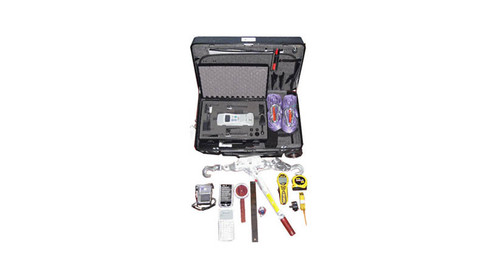
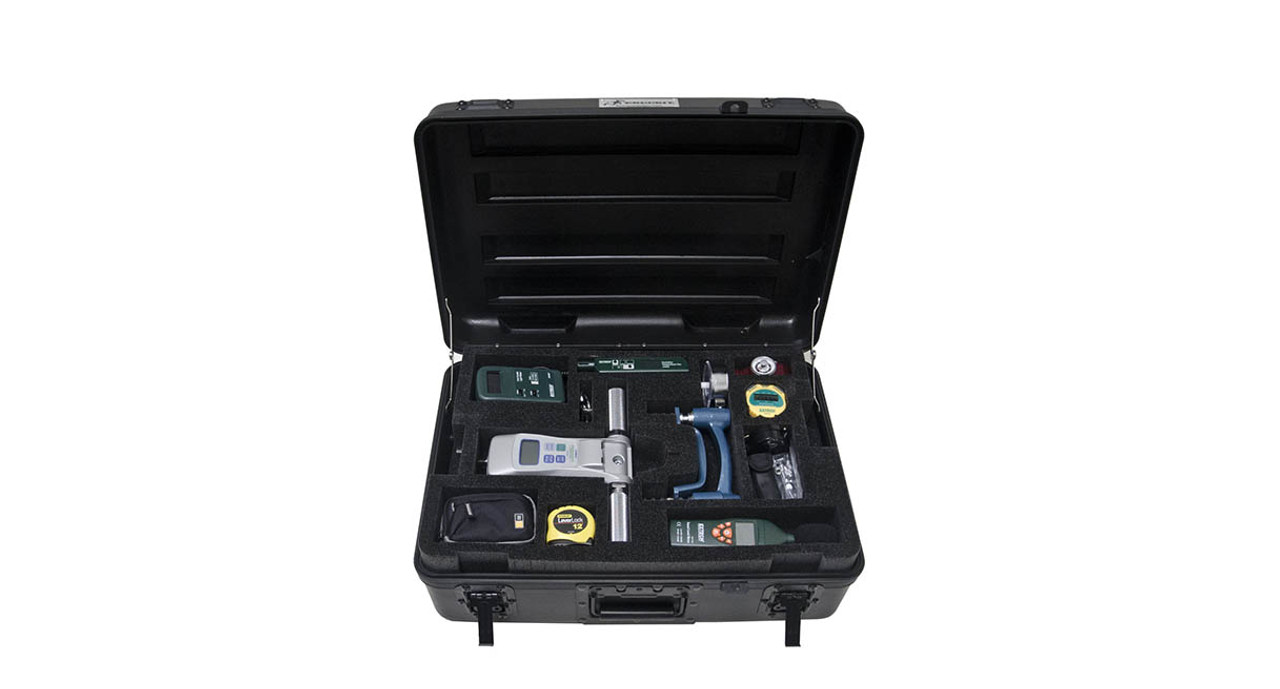
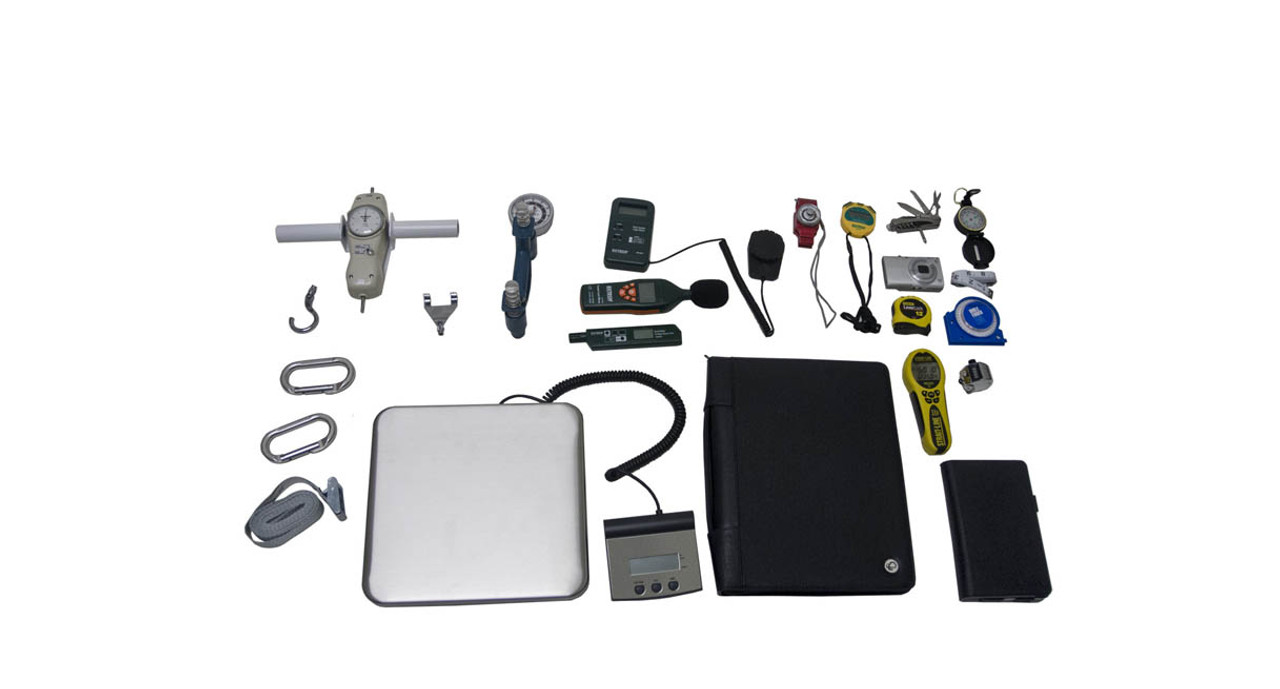
ErgoKit with NIST Asseszsment Equipment contains all the essential equipment needed for professional ergonomic assessments.
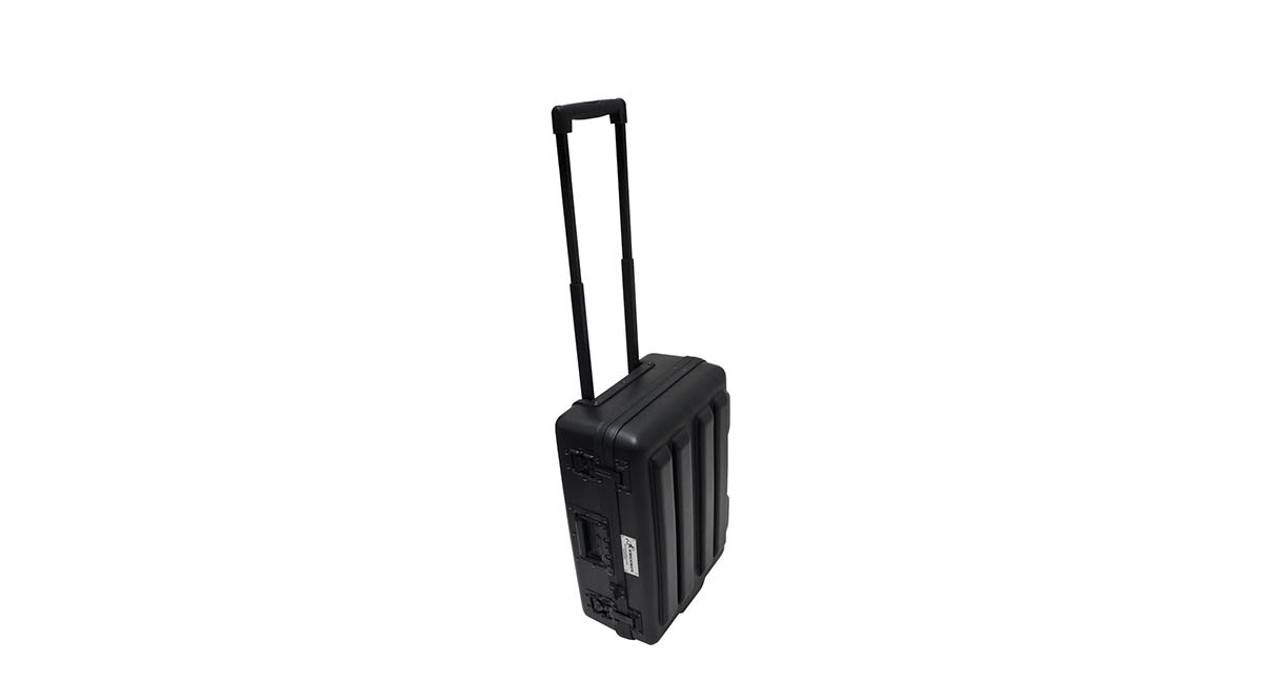
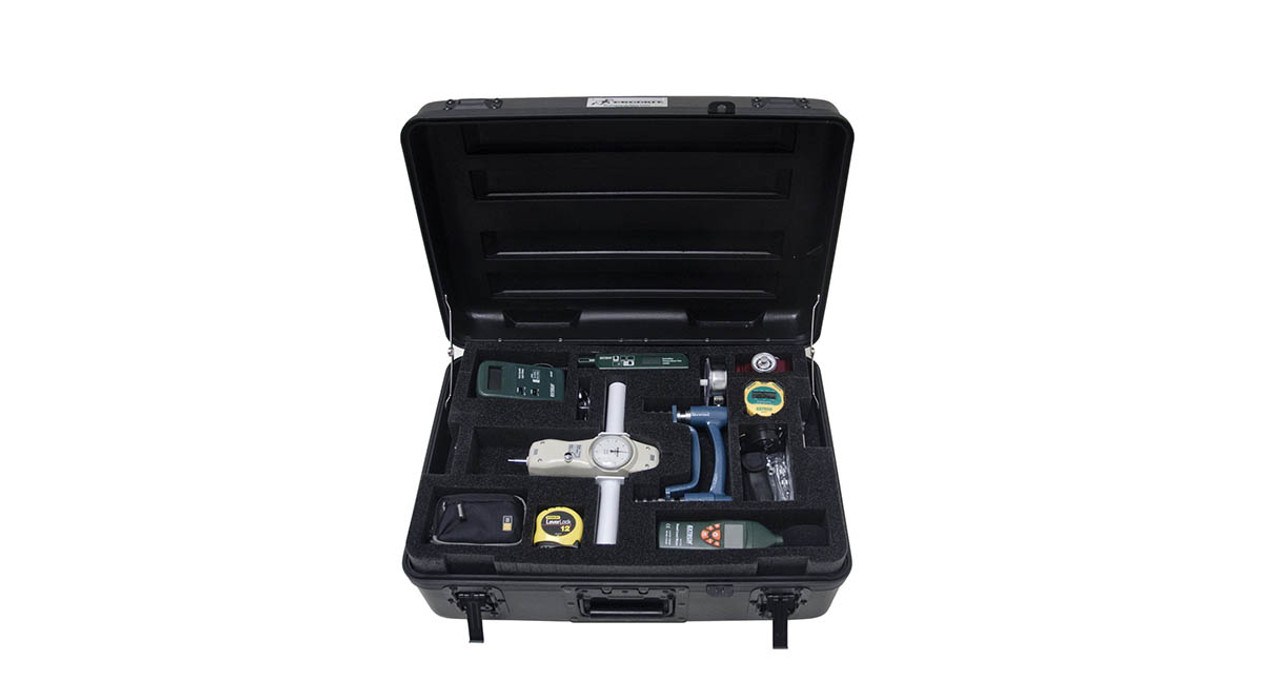
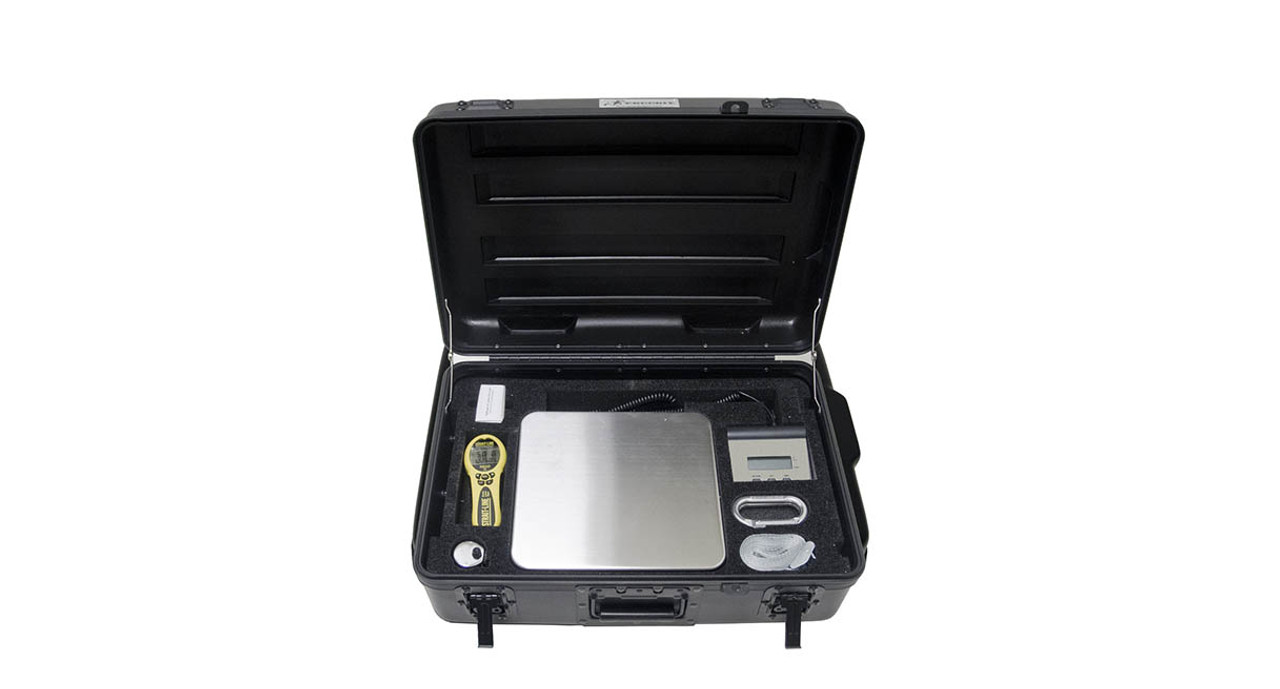
The kit comes with over 20 pieces of ergonomic assessment equipment that are neatly organized in an easy-to-carry hard case, making it portable to all of your jobs.
This kit helps you analyze, design, and perform ergonomic assessments to help solve workplace problems efficiently. The whole ErgoKit weighs roughly 35 pounds, and all tools are protected by a form-fitting foam insert, letting you focus on your next big assessment job and not about protecting your precious investment.
Features
- Over 20 ergonomic assessment tools included in the kit
- Entire kit weighs 35 lbs
- Foam insert keeps tools secure in carrying case
Specifications
| Assessment tools | Digital Camera, Powpro PP-CDFE 2.7 inch TFT LCD HD Digital Camera Android Tablet |
| Force measurement | Scale Force Gauge Hand Dynamometer Pinch Dynamometer Force Gauge Pull Strap & Carabiners |
| Environmental measurement | Light Meter (Not NIST certified) Sound Meter Thermo-Hygrometer Laser or Optical Tape Measure |
| Anthropometric Measurement | 8" Goniometer Tape Measure Flexible Tape Measure Ruler |
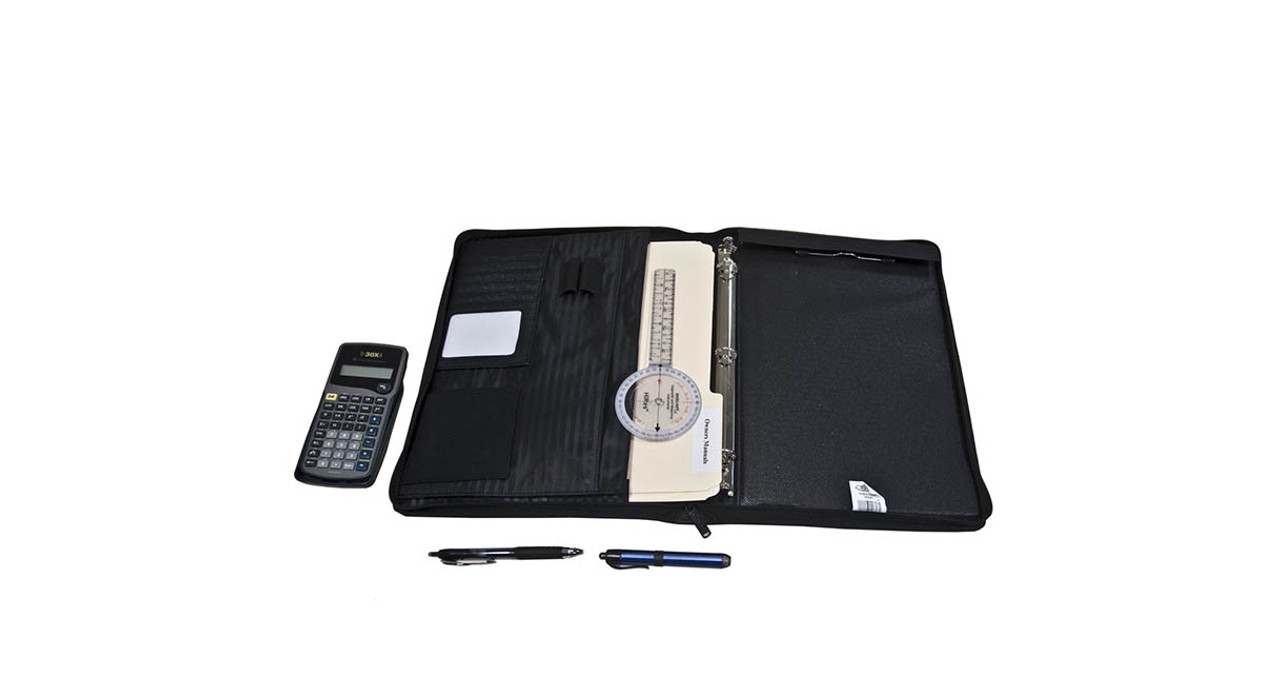
| Additional equipment | Equipment Case Digital Stopwatch Frequency Counter Statistical Calculator All-Purpose Universal Tool/Pliers Compass Soft Camera Case Pen Light Padfolio Angle finder SD Card Pen Tablet Case Force Guage NIST Calibration |
Force Gauge
The ErgoKit® includes your choice of one of the following force gauges to better meet your needs. Click the links below for more details.
| Shimpo MF-100 | 100 lb. Mechanical Force Gauge with Handle |
| Shimpo MF-50KG | 50 kg. Mechanical Force Gauge with Handle |
| Shimpo FGV-200XY Dart 2.0 | 220 lb. Digital Force Gauge with Handle |
| Shimpo FGV-500HXY | Javelin 500 lb. Digital Force Gauge |
| Shimpo FGV-1000HXY | Javelin 1000 lb. Digital Force Gauge |
Don't see something vital to your consulting, or already have an item in the ErgoKit® you don't need? Please give us a call with additional customization questions. We're happy to help make recommendations specific to your needs and custom tailor your ErgoKit®.
1 Review Hide Reviews Show Reviews
-
essential kit for my company
We use several of these and love them. They make it very easy to grab your measuring equipment and go! We used to have drawers full of unorganized gauges and it didn't work very well. I highly recommend this kit. I would also recommend using the force gauge with the included straps and carabiners; it made it much easier for me to quickly do pull/push force testing.
This product comes standard with a 1-year limited warranty.
Return Information
- Return windows close 30 days after you receive your item.
- You are responsible for obtaining a Return Merchandise Authorization, the cost of shipping, and potential restocking fees, if the item has been opened.
- To start a return, or to view the full returns policy, click here.